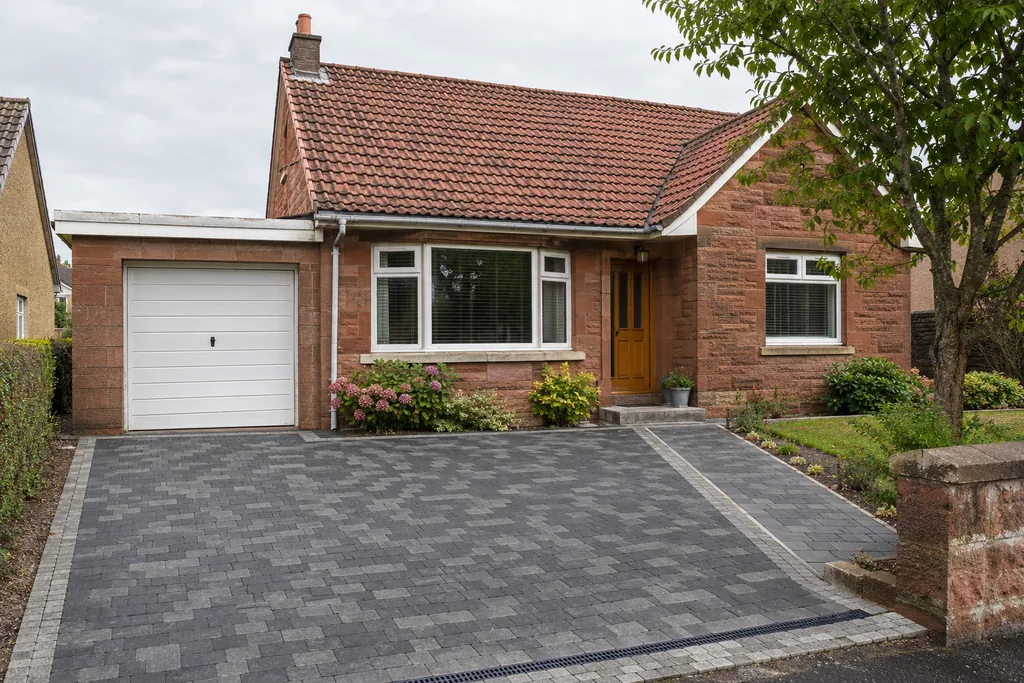
Block paving
in Paisley
Block-paved drives, paths and patios that lock tight and shed the rain.
- Parking spaces, wide paths and patios
- Firm edging so blocks don't wander
- Call us, or leave a short form
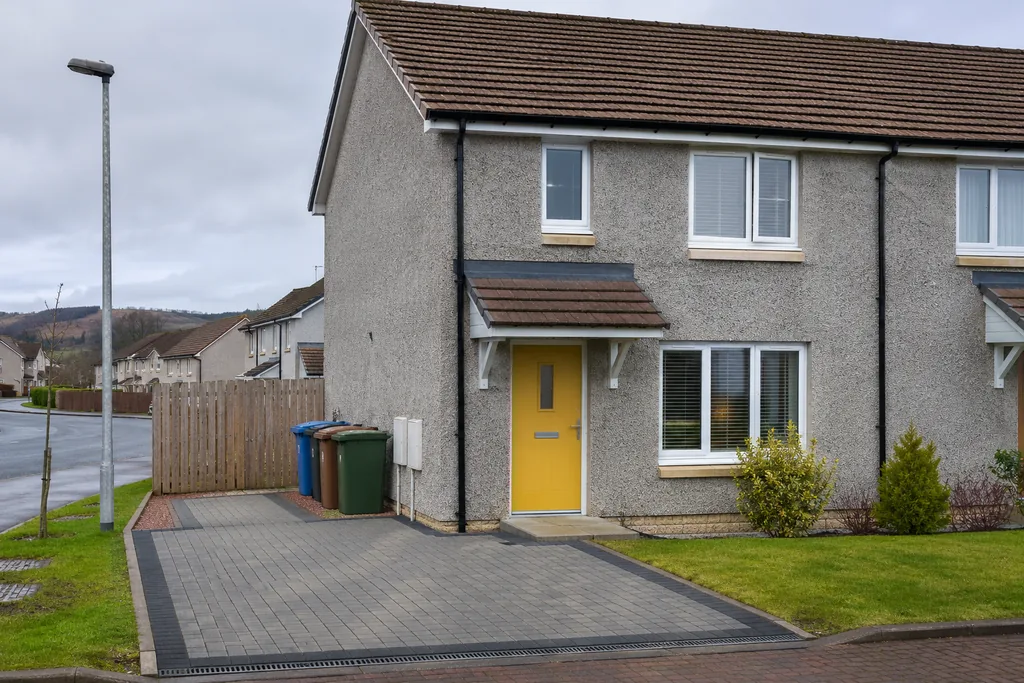
Why a block-paved drive works for families
Blocks are small units that lock into each other. That's why a block drive handles a car's weight, and why one damaged area can be lifted and refilled without ripping everything out.
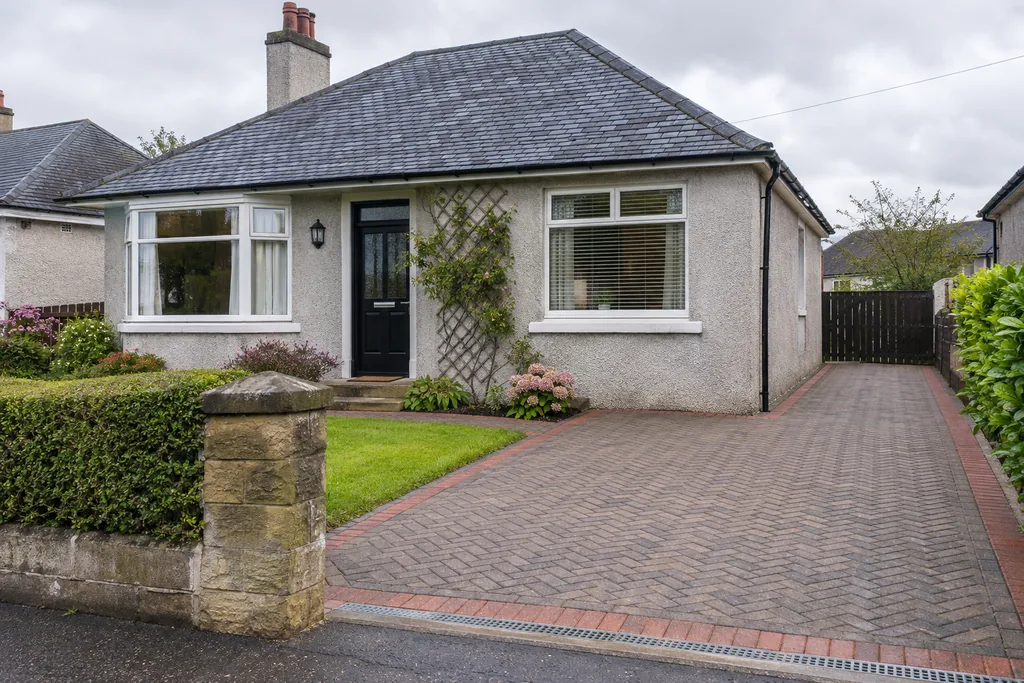
Pattern, colour and edge
Herringbone grips well and is the usual choice where wheels turn. A firm edge holds the blocks in place; without one the outer blocks creep and the corners open.
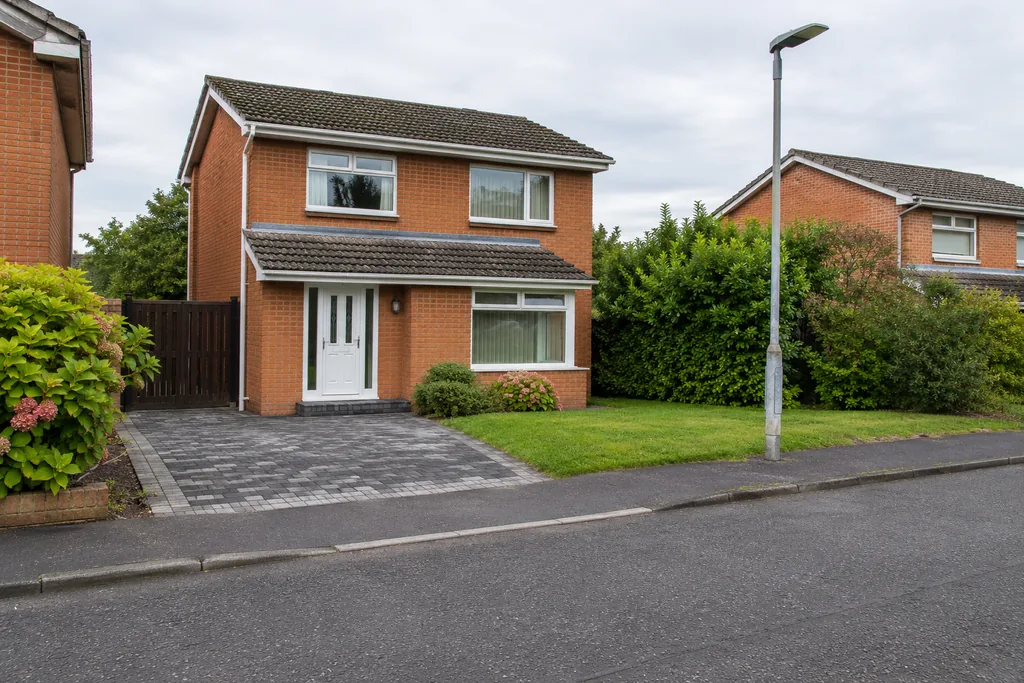
The kerb and the rain
If your drive crosses the pavement, the kerb comes into it, and rain has its own rule. Both are for Renfrewshire Council to confirm for your address.
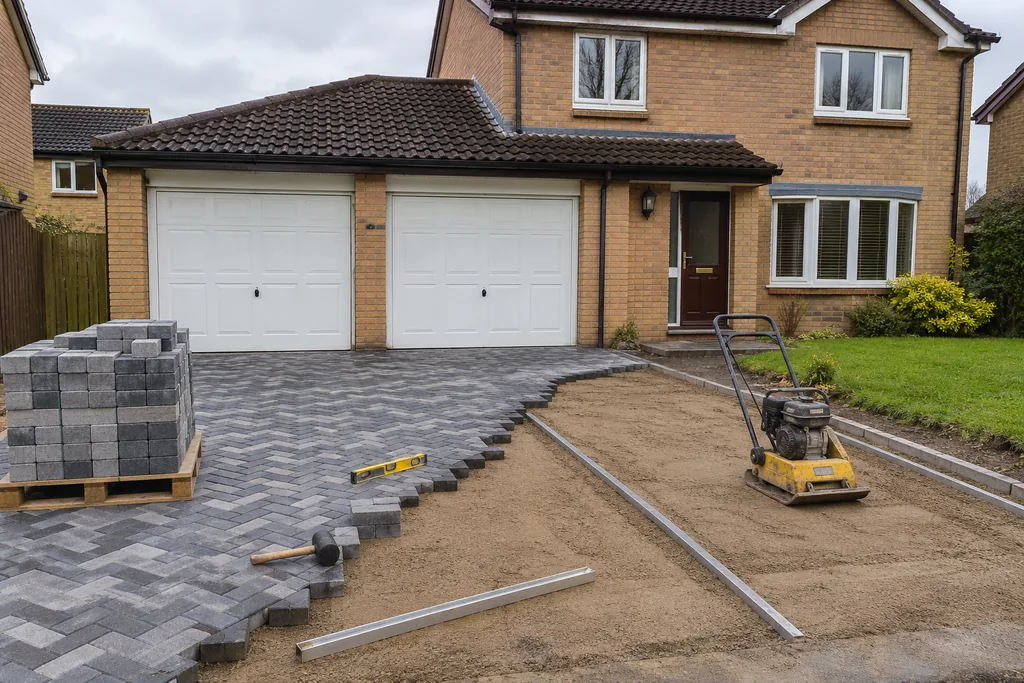
What the blocks sit on
A block drive is only as good as what's under it.
Block paving questions
Can you lay blocks over my old concrete drive?
It's usually better to break out the old concrete and start again, because cracks and low spots show through. We'll look at yours.
Do weeds grow in the joints?
A few might, if seeds blow in. Good jointing sand and the odd sweep keep it down.
Are block-paved drives permeable?
Some blocks are and some aren't. The drainage rule above applies either way, and we'll explain which suits your plot.
Is a new block-paved drive allowed without permission?
Possibly. It depends on whether it faces a road, whether the house is in a conservation area and whether the kerb needs lowering. The Scottish Government asks that a front surface facing the road either lets water through or sends it to a lawn or border (mygov.scot, last updated 18 November 2025). Work to a kerb is work in a public road, and the Roads (Scotland) Act 1984, section 56, needs the roads authority's written consent (legislation.gov.uk, up to date to 22 November 2026). In Paisley that authority is Renfrewshire Council. Check with it first.
What is the easiest way to get a price?
Ring 07700 175069, or use the form. Our new-build front guide has more.